The Brain Dynamics Lab, led by Dr. Andrea Protzner at York University/Rotman Research Institute at Baycrest, is a diverse collection of doctoral and postdoctoral research trainees, undergraduate students, and volunteers. Together, we strive to reveal new understandings of the brain and how it changes across the lifespan and various impairments.
Dr. Andrea Protzner, PhD
She/her
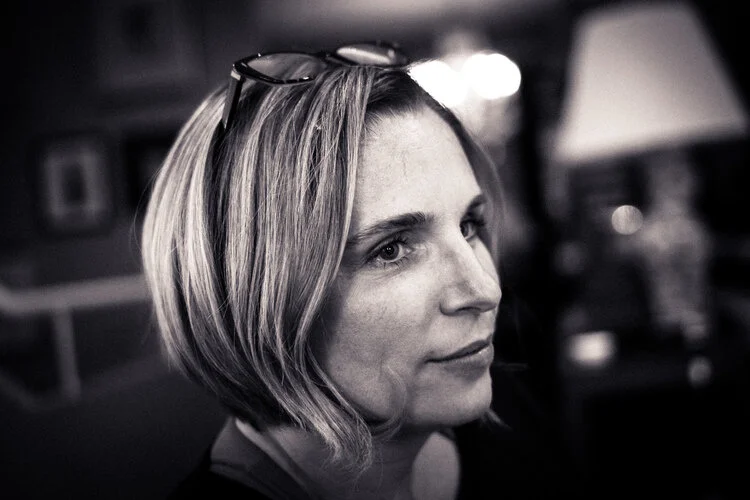
My research goal is to build a framework that links cognitive integrity and neural dynamics to provide a coherent understanding of how cognition emerges from operations in the intact and impaired brain.
The following two areas of interest exemplify this approach:
Brain Signal Variability in the Context of Brain Damage: Computational research suggests that brain signal variability is an important parameter reflecting the functional integrity of neural systems. Thus, we can think of variability as a metric of what the system is capable of doing (whereas task-related signal indicates what the system is doing at any given moment of observation). I have shown that variability tracks both tissue health and functional capacity in patients with mesial temporal lobe epilepsy (mTLE). In my current work, I am trying to use signal variability to identify individual differences in cognitive resilience during aging, and the capacity to benefit from treatment in psychiatric disorders.
Brain Network Reorganization in Major Depressive Disorder: Ideally, to predict functional changes after focal alterations in brain function, one should take into account whole-brain network reorganization. My recent work focuses on how deep brain stimulation affects mood regulation networks in treatment resistant depression. The aim is to customize neurostimulation therapy by creating personalized computer models that simulate the effects of local stimulation on large-scale brain networks using patient-specific connectivity and anatomy.



LAB MEMBERS
She/her
PhD Student
Kelsey Cnudde
Kelsey completed her Master’s with the Brain Dynamics Lab, co-supervised by Dr. Penny Pexman (Language Processing Lab), with a focus on the neuroplasticity involved in learning on a visual word recognition task. She is now a PhD candidate, co-supervised by Dr. Andrea Protzner and Dr. Julia Kam (Internal Attention Lab). Her PhD research explores the brain dynamics associated with drug-resistant epilepsy using intracranial EEG and fMRI. Her work examines the neural features that characterize epileptic brain regions, as well as how these features relate to cognitive function.


Louisa Krile
She/her
PhD Student
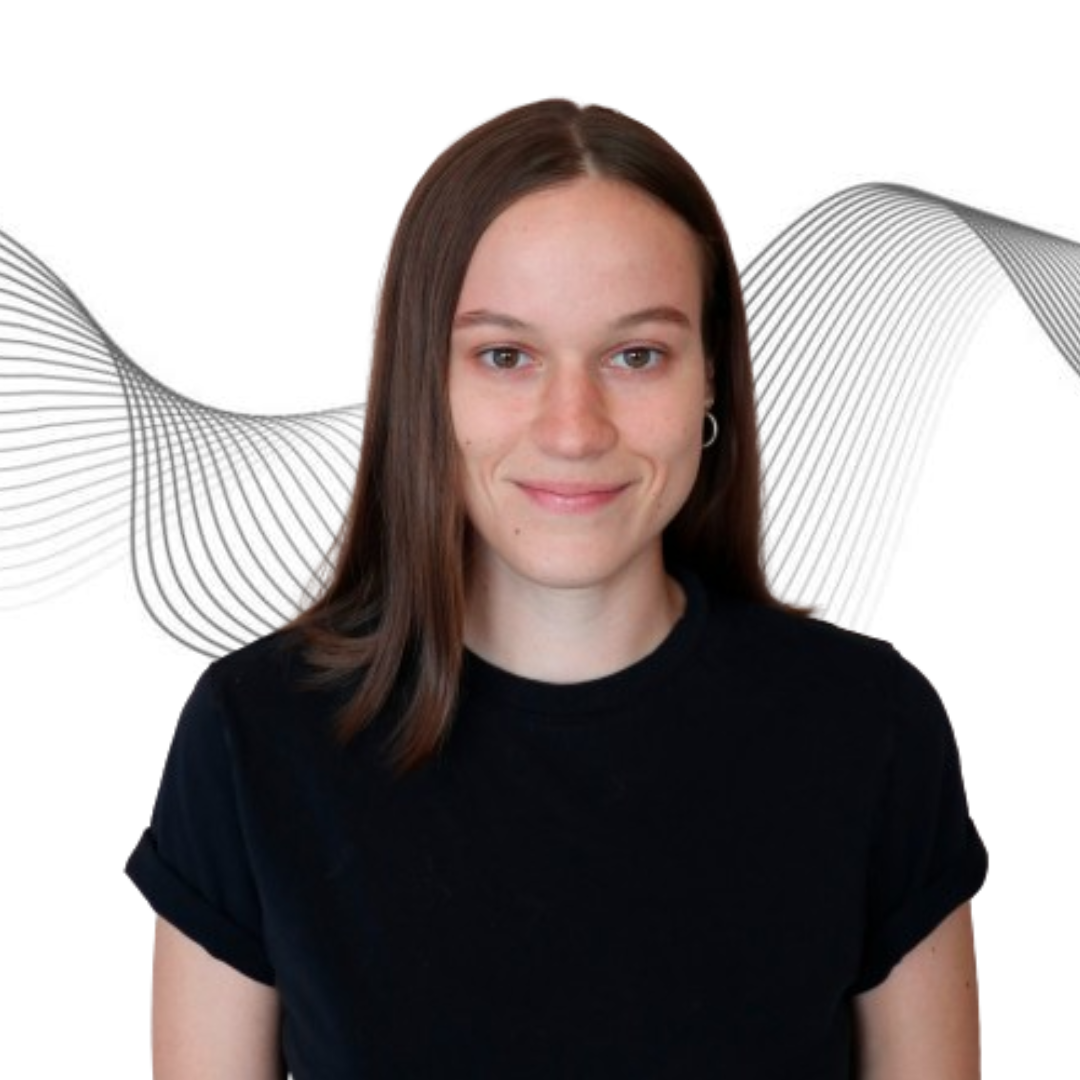
Louisa is a PhD student in the Clinical Psychology program. She recently completed her master's thesis with the Brain Dynamics Lab, where she used EEG to explore neural dynamics related to mind-wandering that support task learning. For her PhD project, she will use TMS-EEG to identify neural characteristics that can help guide a personalized approach to neurostimulation treatment for depression. Louisa is also committed to exploring how principles of equity, diversity, and inclusion can be integrated into depression treatment, with a focus on individual experiences with healthcare systems.

She/her
Master’s Student
Anastasia Mukhametzyanova
Anastasia started her Master's degree in January of 2024. She is interested in using fMRI neuroimaging techniques to investigate the effects of sex and gender on the functional connectivity of the brain in the population diagnosed with Major Depressive Disorder. Specifically, she is interested in exploring such effects on patients before and after pharmacological treatment.

Kara Hayes
She/her
Master’s Student
Kara is a Master’s student in the Clinical Psychology program. She is passionate about factors affecting cognitive function across the lifespan. Her previous research investigated the effect of cognitive load on sensorimotor integration in individuals with a concussion history and she has investigated the effects of “chemofog” on the working memory of women actively undergoing breast cancer treatment. Her current general research interest is understanding the brain dynamics involved in typical versus atypical aging in the context of cognitive decline.

Grace Parente
Grace is a current Master’s Student in Experimental Psychology at the Brain Dynamics Lab. Her Master’s research uses EEG neuroimaging to investigate the relationship between brain signal complexity, cognitive capacity, and creativity across the lifespan. Additionally, Grace is passionate about incorporating equity, diversity, and inclusion in research, and improving mental health practices and outcomes in LGBTQIA+ communities.
G
She/her
Master’s Student
She/her
Research Assistant
Emily Memedovich
Emily recently completed her honours thesis at the Brain Dynamics Lab. Her research interests include psychosocial oncology, women’s health and the physiological impacts of hormonal imbalances (such as during menopause or in diseases like endometriosis) and gender differences in the presentation and underlying causes of mental disorders such as ADHD.
She/her
Research Assistant
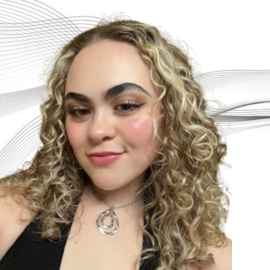
Bianca Ciorac
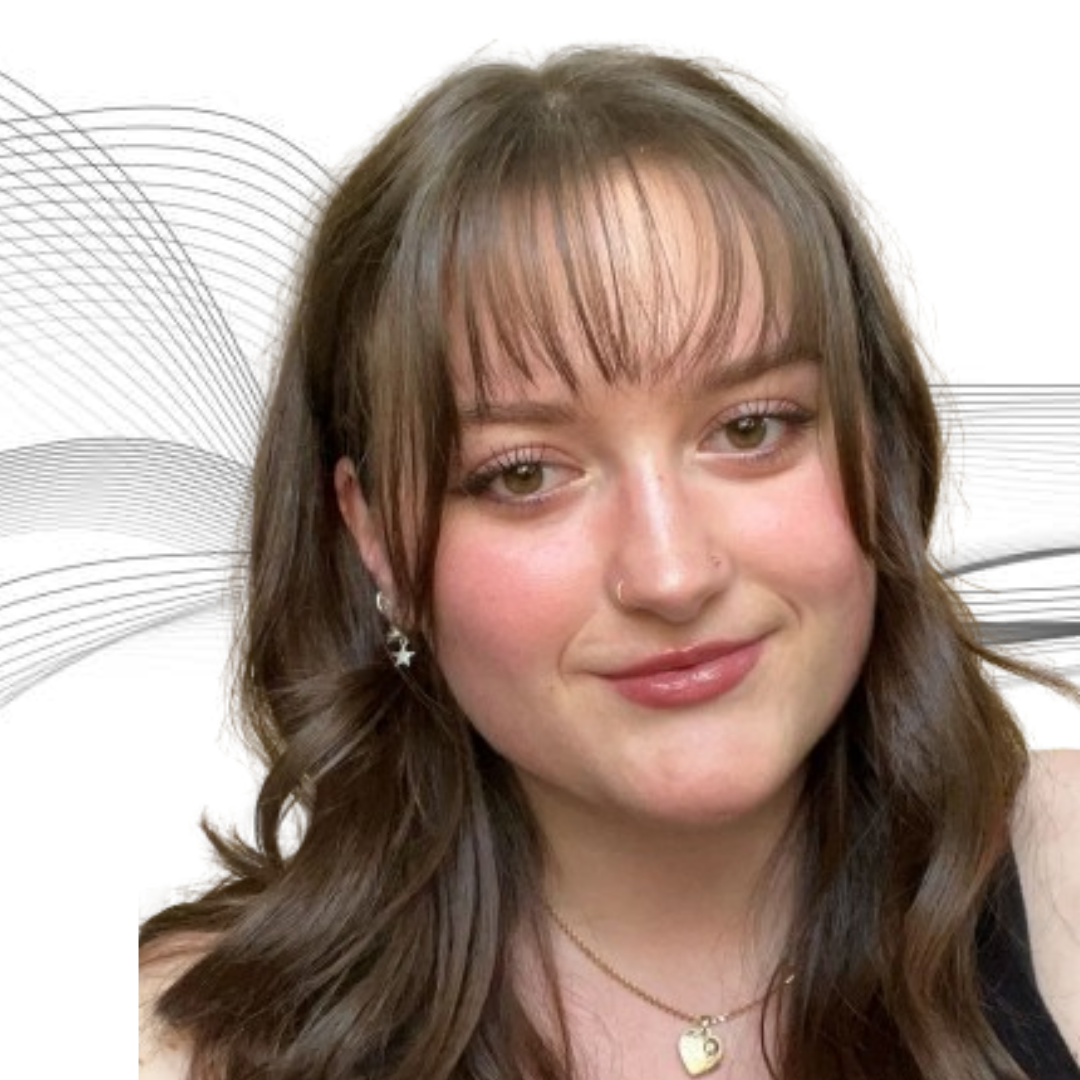
Bianca recently completed her honours thesis over the 2024-2025 year in the Brain Dynamics Lab. She has been volunteering in the lab since the fall of 2022 and has worked with several graduate students on EEG studies. Her research interests revolve around the neuropsychology of various clinical mental disorders and age–related disorders. Bianca will be applying to clinical (neuro)psychology graduate programs with the end goal of working in both academic and professional settings.
She/her
Honours Student
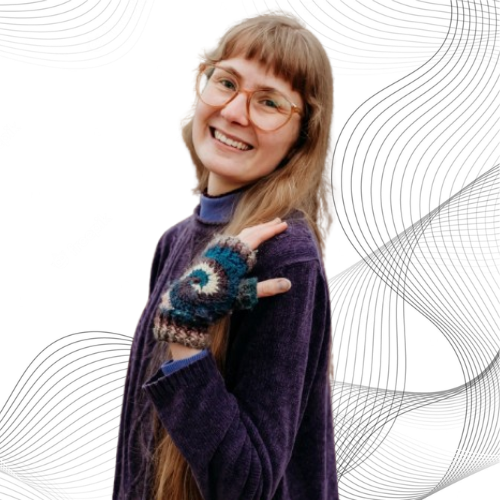
Karissa Buonincontri
Karissa is an undergraduate student completing her Honours thesis during the 2025–2026 year in the Brain Dynamics Lab. Her research interests focus on understanding how cognitive processes relate to mental health and well-being. In her Honours research, she examines the relationship between creativity and mind-wandering as dynamic cognitive processes. More broadly, she is interested in how cognitive research can inform applied and therapeutic contexts, and she hopes to pursue graduate school in clinical or counselling psychology.
She/her
Master’s Student
Robin Bishop
Robin graduated with a BSc from the University of Calgary’s Neuroscience and Nanoscience Programs in 2020. Integrating years of experience in diverse roles supporting individual and community holistic wellbeing, Robin is now furthering her studies in neuroscience as an MSc student. She is passionate about understanding affective cognition, creating neurotechnologies, and is committed to community engagement in research as relational practice to wellness. Co-supervised by Dr. Eli Kinney-Lang (BCI4Kids Lab) and Dr. Andrea Protzner (Brain Dynamics Lab), Robin’s MSc project is focused on supporting pediatric brain-computer interface (BCI) users by developing a user-centric BCI system for emotion regulation, and doing so together with patient and family partners.
Lab Alumni
Aimee Clarke | MSc Student, 2023-2025
Michael McLaren-Gradinaru | PhD Student, 2020-2025
Kuljeet Chohan | Research Assistant, 2022-2025
Hongye Wang | PhD Student, 2016-2020
Gwen van der Wijk | PhD Student, 2018-2022
Amirhossein Ghaderi | Postdoctoral Fellow, 2022-2024
Maddie Kelly | Undergraduate Honours Student, 2022-2023
Kayla Brill | Undergraduate Honours Student, 2022-2023
Mah Noor | Undergraduate Summer Student, 2022
Talha Zafar | Undergraduate Honours Student, 2021-2022
Noaah Reaume | Undergraduate Honours Student, 2020-2021
Gahyun Kim | Undergraduate Honours Student, 2020-2021
Alison Wilson | Undergraduate Honours Student, 2020-2021
Baeleigh Ellement | Undergraduate Honours Student, 2019-2020
Sora Ahn | Postdoctoral Fellow, 2018-2019
Alison Heard | PhD Student, 2014 - 2018
Julie Aitken | MSc Student, 2016 - 2019
Matt Szostakiwskyj | Research Analyst, 2017-2018
Filomeno Cortese, Seaman Family MR Research Centre, University of Calgary
Giuseppe Iaria, Neurolab, Department of Psychology, University of Calgary
Natalia Jaworska, Department of Psychiatry, University of Calgary
Viktor Jirsa, Institut de Neurosciences des Systèmes, Aix-Marseille Université
Zelma Kiss, Hotchkiss Brain Institute, University of Calgary
Mary Pat McAndrews, Neuropsychology, University Health Network
Anthony Randal McIntosh, Rotman Research Institute, Baycrest Centre
Penny Pexman, Department of Psychology, University of Calgary
Zsófia Anna Gaál, Institue of Cognitive Neuroscience and Psychology
Working together gets us farther, faster
Collaborators